


How to Winterize Your Brown Turkey Fig Before It Becomes a Popsicle
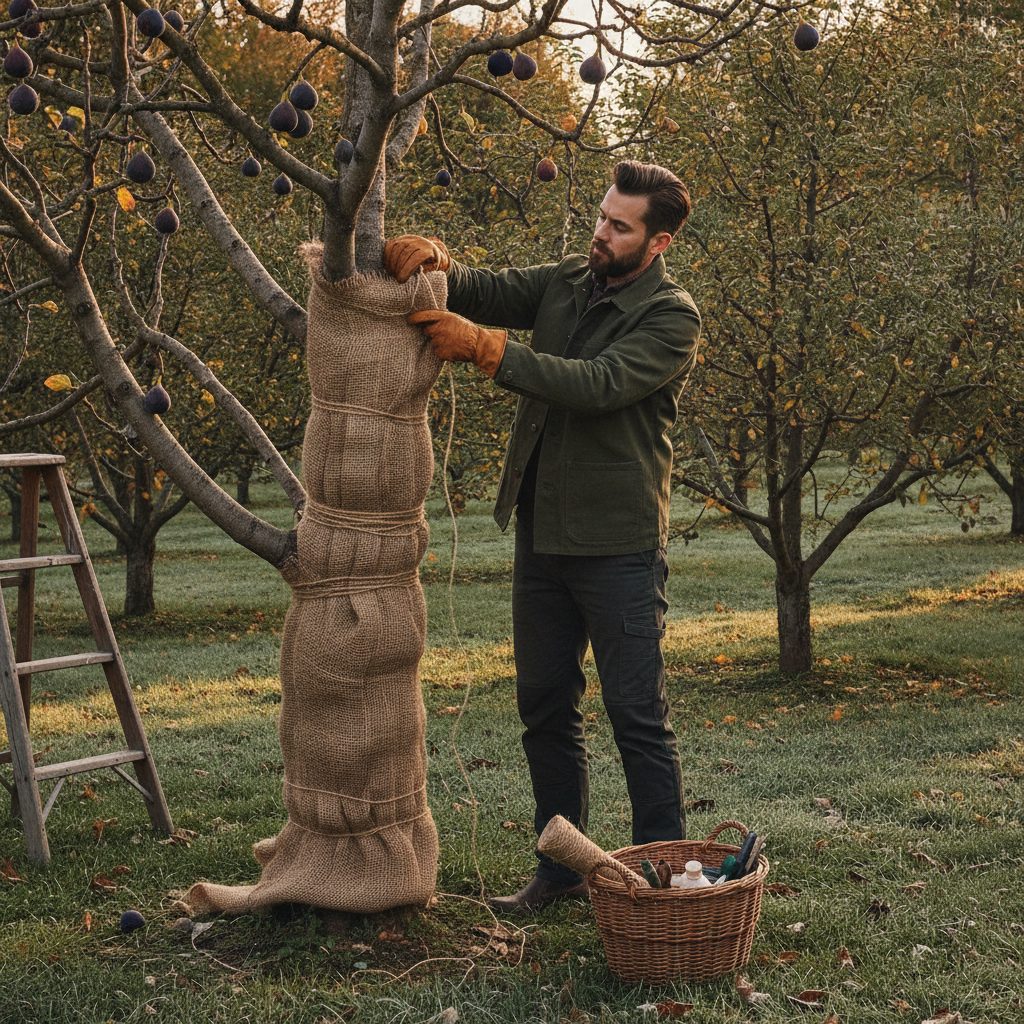
The Brown Turkey Fig: A Survivor, Not an Ice Cube
Listen, I get it. You fell in love with your Brown Turkey fig over the summer. It gave you those beautiful, copper-colored fruits, shaded your patio, and generally acted like the MVP of your backyard. But now, the wind is picking up, the pumpkin spice latte enthusiasts are emerging from their dens, and you’re starting to worry. You’re looking at that Mediterranean beauty and thinking, “Is my tree about to become a very expensive popsicle?”
The Brown Turkey is the workhorse of the fig world. It’s hardy, it’s prolific, and it has survived more neglect in my own backyard than I care to admit to a licensed professional. However, even a legend has its limits. While Brown Turkeys can handle a bit of a chill, they aren’t exactly designed for a Siberian winter. Winterizing your fig is about more than just keeping it alive; it’s about making sure it hits the ground running in the spring instead of spending three months trying to remember how to grow a leaf.
In this guide, we’re going to walk through exactly how to tuck your Brown Turkey in for its long winter nap. We’ll cover the “why,” the “how,” and the “please don’t do that” of winter protection. Whether your tree is in the ground or in a pot, I’ve got you covered. Let’s make sure your fig spends the winter dreaming of sunshine, not freezing its roots off.
Know Your Enemy: Hardiness and the Dormancy Switch
Before we grab the burlap and the mulch, we need to understand what we’re actually protecting. A Brown Turkey fig is generally rated for USDA Zones 7 through 9, though with enough grit and a heavy coat, it can survive in Zone 6. Once the temperature drops below 10°F (-12°C), things start to get dicey. At that point, the wood can begin to die back to the ground.
The goal of winterization isn’t just to keep the plant warm—plants don’t generate their own body heat, so blankets don’t work for them the way they work for us. The goal is insulation and dormancy management. We want the tree to go to sleep (dormancy) and stay asleep. A “yo-yo” winter—where it’s 10 degrees one day and 60 degrees the next—is actually more dangerous than a consistent cold. It tricks the tree into thinking it’s spring, only for the next frost to come along and smack the new growth right off.
Wait for the first frost to hit before you start the heavy-duty winterizing. Your tree needs that signal to pull its sap down into the roots. If you wrap it up while it’s still actively growing, you’re basically trapping it in a sauna with a bunch of mold spores. Let the leaves turn yellow and drop. When your tree looks like a collection of sad, grey sticks, that’s your green light to move in.
Method 1: The “In-Ground” Insulation Sandwich
If your Brown Turkey is planted in the ground, you can’t exactly bring it into the living room (unless you have a very understanding spouse and a very large shovel). You have to bring the protection to the tree. For younger trees or those in Zone 6/7, I recommend the “Cage and Fill” method. It’s not glamorous, but it works like a charm.
Step 1: The Clean-Up
Remove any fallen fruit or dead leaves from around the base of the tree. Rotting fruit is basically a five-star hotel for pests and fungal pathogens. You want the area around the trunk to be as clean as a whistle—or at least as clean as a garden can be.
Step 2: The Mulch Mountain
Pile a generous amount of wood chips, straw, or shredded leaves around the base of the trunk. I’m talking a good 6 to 12 inches high. This protects the crown and the root system. Even if the top of the tree dies back in a freak polar vortex, a protected crown will send up new shoots in the spring. Think of it as a biological “undo” button.
Step 3: The Cage
Circle the tree with a cylinder of wire fencing or poultry netting. Leave about 6 inches of space between the branches and the wire. Fill this cage with dried leaves or straw. Don’t pack it so tight that air can’t move, but don’t leave huge gaps either. You’re aiming for a cozy, insulated nest. Avoid using hay, as it often contains weed seeds that will turn your fig bed into a hayfield by May.
Step 4: The Topper
Cover the top of the cage with a piece of burlap or a tarp to keep excess moisture out. If the leaves inside get soaking wet and then freeze into a solid block of ice, you’ve basically built a walk-in freezer for your tree. We want insulation, not cryogenics.
Method 2: Container Figs and the “Garage Shuffle”
Growing Brown Turkeys in containers is one of my favorite ways to garden because it gives you the ultimate power: mobility. If the weather gets nasty, you can just pick up your ball and go home. However, container roots are much more vulnerable to freezing than roots deep in the earth.
Once the tree is dormant and the leaves have fallen, move the pot into an unheated garage, shed, or basement. You want a spot that stays between 32°F and 45°F. If it’s too warm, the tree will wake up and start growing ghostly, white, weak branches in the dark. If it’s too cold (below 20°F inside the garage), the roots might freeze through the pot.
The “Don’t Forget to Drink” Rule: Just because the tree is sleeping doesn’t mean it’s dead. Check the soil moisture once a month. If it’s bone-dry, give it a small sip of water. You want the soil to be barely moist, like a wrung-out sponge. Do not overwater. A dormant tree in soggy soil is a recipe for root rot, and “Rotten Roots” is my least favorite gardening genre.
The Pruning Paradox: Should You Cut Now or Later?
I know the temptation. You have your sharp pruners in your hand, and that one branch is looking at you funny. But listen to Figgy: Wait until late winter or early spring to do your heavy pruning.
When you prune in the fall, you’re potentially stimulating the tree to try and heal or grow, which is the last thing you want before a freeze. Plus, if there is any winter die-back, it usually happens at the tips of the branches. If you prune in the spring, you can see exactly where the live wood starts and cut away the dead stuff with surgical precision. Pruning in the fall is like getting a haircut right before you walk into a windstorm; you’re just asking for a mess.
The only exception is if a branch is diseased or physically broken. If it’s dangling by a thread and threatening to tear the bark, go ahead and make a clean cut. Otherwise, keep those pruners holstered for a few more months.
Common Mistakes: How to Avoid a Figgy Fiasco
I’ve made every mistake in the book so you don’t have to. Here are the top ways people accidentally sabotage their Brown Turkeys during the winter:
- The Plastic Wrap Trap: Never wrap your tree directly in clear plastic. On a sunny day, the plastic creates a greenhouse effect, heating up the trunk and then freezing it again at night. This rapid temperature swing will split the bark faster than a bad breakup. Always use breathable materials like burlap.
- The Premature Unwrapping: We all get “Spring Fever” during that first warm week in February. Do not be fooled. The “Fake Spring” is a fig killer. Keep your protection in place until the danger of a hard freeze has passed.
- Fertilizing in the Fall: Don’t give your tree a “last meal” of nitrogen in late autumn. Nitrogen encourages new, tender growth that has zero chance of surviving a frost. Stop all fertilizing by late July or early August to let the wood harden off properly.
- Ignoring the Wind: Cold is one thing; wind-chill is another. Winter winds can desiccate (dry out) the branches until they’re as brittle as a cracker. If your tree is in a windy spot, a burlap windbreak is more important than a thick layer of mulch.
The “Burying the Fig” Method (For the Hardcore Growers)
If you live in Zone 5 or a particularly brutal Zone 6, and you’re determined to grow a Brown Turkey in the ground, you might need to use the “Italian Trench” method. This involves pruning the tree into a low fan shape, digging a trench next to it, partially tipping the tree over into the trench, and burying the whole thing in soil and mulch.
It’s a lot of work. It’s messy. It’s slightly unhinged. But if you absolutely must have fresh figs in Minnesota, it’s the gold standard. For most of us, though, the “Cage and Fill” method or container growing is more than enough to keep our trees happy.
What to Expect When Spring Arrives
When the ground thaws and the buds start to swell, it’s time for the big reveal. Remove your cages and mulch gradually. If you see some tips that are shriveled, grey, or snap easily when bent—don’t panic. That’s just winter die-back. Prune those branches back to where you see green tissue under the bark. Your Brown Turkey is a vigorous grower; it will make up for that lost length in no time.
The most important thing is to be patient. Figs are notorious for being “late sleepers.” I’ve had trees that didn’t wake up until June, making me think they were goners, only to explode with growth once the soil truly warmed up. Give them time. They’ve had a long winter, and they might need a little extra snooze time before they’re ready to start producing those delicious brown-skinned figs again.
Summary: Your Winterizing Checklist
To wrap things up (pun absolutely intended), here is your quick-start guide to a safe winter for your Brown Turkey:
- Wait for dormancy: Don’t start until the leaves have fallen and the tree is asleep.
- Protect the roots: Mulch is your best friend. A thick layer saves the crown even if the top dies.
- Insulate, don’t suffocate: Use breathable materials like burlap, straw, and leaves.
- Water sparingly: Container figs need just enough moisture to prevent the roots from turning into dust.
- Patience is a virtue: Don’t prune or unwrap too early in the spring.
Winterizing might seem like a chore, but look at it this way: a little work now means a massive harvest later. You’re not just protecting a plant; you’re protecting your future snacks. And trust me, when you’re standing in the sun next July eating a perfectly ripe Brown Turkey fig, you won’t be thinking about the cold afternoon you spent stuffing dead leaves into a wire cage. You’ll just be thinking about how smart you are for listening to Figgy Smalls.
If you’re looking to add another Brown Turkey to your collection, or maybe branch out into some rarer varieties that will make your neighbors jealous, you know where to go. I’ve got the goods, the advice, and the slightly obsessive passion to help you succeed.