

How to Protect Brown Turkey Figs From Bird Brains and Furry Felons
The Heartbreak of the Half-Eaten Brown Turkey
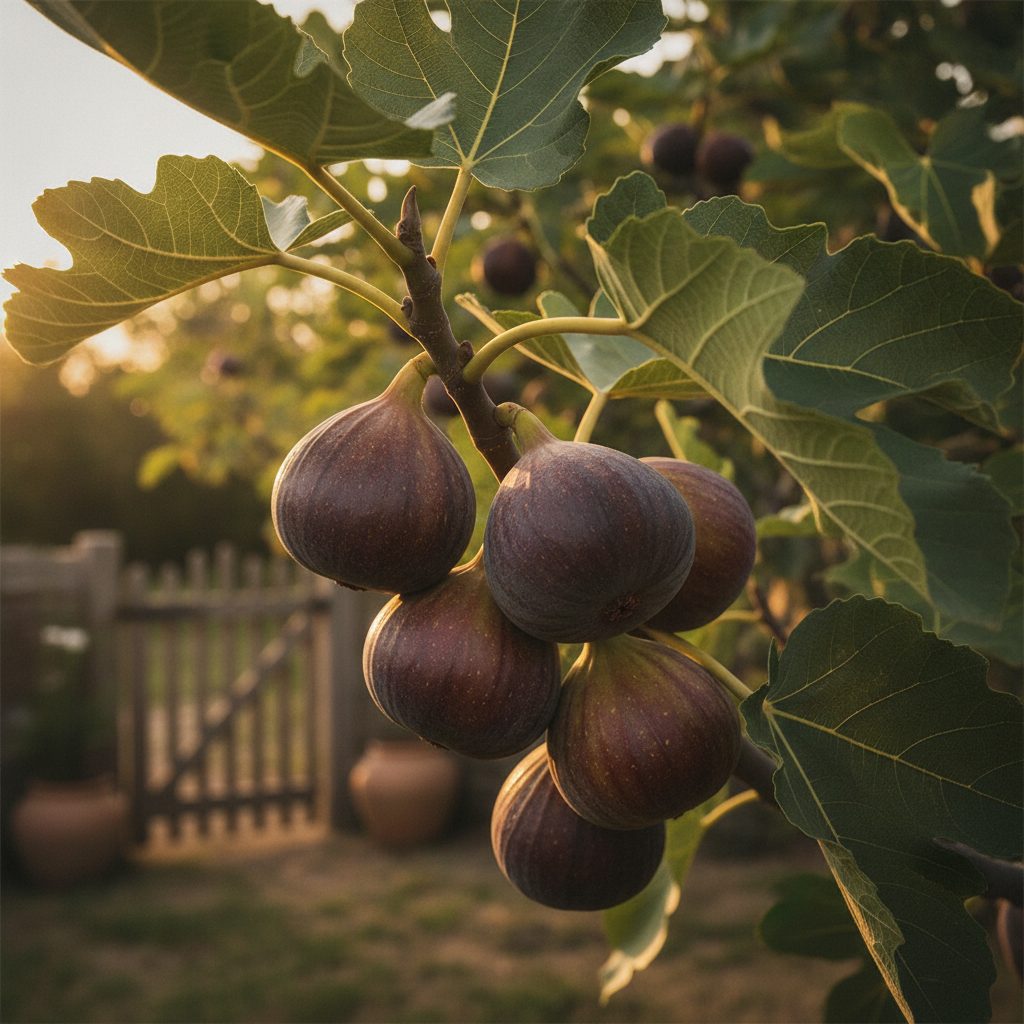
You’ve done everything right. You’ve pampered your Brown Turkey fig tree like it’s a high-maintenance show pony. You’ve balanced the soil pH, you’ve mastered the art of the “moist but not a swamp” watering schedule, and you’ve watched those beautiful, mahogany-colored fruits swell to perfection. Then, you wake up, coffee in hand, ready for the harvest, only to find a crime scene. A half-eaten fig hangs mockingly from a branch, while another lies decimated on the mulch, courtesy of a squirrel with no respect for private property or a blue jay with an ego the size of a watermelon.
I’ve been there. I have twenty fig trees, and at one point, I was basically running a high-end organic buffet for every critter in the tri-state area. The Brown Turkey is particularly vulnerable because it’s such a reliable producer; it puts out so much fruit that it practically rings a dinner bell for the local wildlife. But we aren’t going to let the furry felons and bird brains win this year. This article is your tactical manual for defending your bounty. We’re going to cover everything from physical barriers to psychological warfare, ensuring that when those Brown Turkeys ripen, you’re the one eating them, not the neighborhood squirrel who already has enough buried acorns to survive a nuclear winter.
Understanding Your Enemy: Why Brown Turkeys are Targets
Before we build our fortress, we need to understand why the Brown Turkey fig is the gold standard for garden thieves. This variety is famous for its “open eye”—that little hole at the bottom of the fruit. While it’s great for drainage, it’s basically an “Open” sign for ants and beetles. Furthermore, the Brown Turkey has a long ripening season and a very sweet, rich profile that sends out an olfactory signal across the zip code.
Birds hunt by sight, looking for those deep purples and browns that signal sugar. Squirrels and raccoons hunt by scent and pure, unadulterated spite. To protect your crop, you have to address both the visual and the aromatic lures. It’s not just about stopping them from taking a bite; it’s about making them believe your tree is a boring, fruit-free zone or a place of great personal peril.
Physical Barriers: The “None Shall Pass” Approach
If you want a 100% success rate, physical barriers are the way to go. It’s the difference between asking someone nicely not to touch your fries and putting your fries in a locked safe. For a Brown Turkey fig, which often grows in a spreading, bush-like habit, you have a few solid options depending on your level of dedication and how much you enjoy looking like a mad scientist in your backyard.
Organza Bags: The Individual Bodyguards
This is my personal favorite method for smaller trees or for protecting the “prize” figs you’ve been eyeing. You can buy small mesh organza bags (the kind people use for wedding favors) and tie them around individual fruits or small clusters. These bags allow sunlight and air to reach the fig so it can ripen properly, but they provide a physical barrier against birds and larger insects like June bugs.
Does it look a little ridiculous? Yes. Your neighbors might think you’re gift-wrapping your garden. But when you’re eating a pristine, un-pecked Brown Turkey and they’re looking at a pile of bird-mangled pulp, you’ll be the one laughing. Just make sure to pull the drawstrings tight, or the ants will treat the bag like a VIP lounge.
Bird Netting: The Classic (With a Warning)
Bird netting is the heavy artillery of the fig world. You drape it over the entire tree, and suddenly, the birds are locked out. However, there is a right way and a wrong way to do this. Do not simply toss the net over the branches and call it a day. If the netting touches the fruit, the birds will just peck through the holes. You need to create a frame—using PVC pipes, bamboo stakes, or even tall wooden posts—to keep the net a few inches away from the foliage.
Pro-Tip: Use a fine-mesh net. Traditional wide-hole netting can trap small birds and snakes. We want to save the figs, not start a wildlife cemetery in the backyard. Check your nets daily to ensure no one has gotten tangled in the perimeter fence.
Motion-Activated Sprinklers: The “Get Off My Lawn” Method
If you have squirrels or raccoons, netting won’t always stop them; they’ll just chew through it if they’re motivated enough. Enter the motion-activated sprinkler. This device detects movement and shoots a quick, harmless burst of water at the intruder. It’s effective, hilarious to watch from the window, and it also waters your grass. It’s a win-win, unless you forget it’s on and go out to check your trees in your pajamas. (I’ve done it. The water is colder than you think.)
Psychological Warfare and Visual Deterrents
Sometimes, you don’t need a wall; you just need a good bluff. Birds are smarter than we give them credit for, but they’re also inherently paranoid. Anything that suggests a predator is nearby can give them pause. The key with visual deterrents is variety and movement. If a “scarecrow” stays in the same spot for three days, the birds will eventually use its head as a bathroom.
Flash Tape and Reflective Surfaces
Shiny things are the natural enemy of a bird’s peace of mind. Reflective “flash tape” or even old CDs hung from the branches with fishing line can work wonders. As they spin in the wind, they create unpredictable flashes of light that mimic the eyes of a predator or just generally annoy the birds into looking for a meal elsewhere. It’s cheap, effective, and gives your Brown Turkey a bit of a disco aesthetic.
The Decoy Snake Gambit
Rubber snakes can be remarkably effective against squirrels and birds. Place them on the branches near the ripening fruit. The trick—and this is vital—is to move them every single day. If “Snakey” stays on the same branch for a week, the squirrels will realize he’s remarkably lazy and start eating the figs right next to him. You have to keep the illusion alive.
Managing the “Eye” and Insect Invaders
Brown Turkey figs are prone to “souring” if moisture or insects get inside that open eye. While birds are the loud, obvious thieves, ants and wasps are the silent burglars. Protecting against them requires a different set of tactics.
Sticky Barriers for Ants
If you see a highway of ants marching up the trunk of your fig tree, they aren’t just there for the view. They are heading for the sugar. You can apply a sticky horticultural resin or “tree wrap” around the base of the trunk. This creates a literal sticky trap that ants cannot cross. Just make sure you don’t apply the resin directly to the bark of young trees; use a layer of tree wrap tape first to protect the plant’s skin.
Early Harvest: The Strategic Retreat
Sometimes, the best way to win the war is to end it early. Brown Turkeys will actually finish ripening on the counter if they are picked just as they begin to soften and change color. If you know a storm is coming or the local squirrel population has declared war, pick your figs when they are about 75-80% ripe. They might not be quite as honey-sweet as a tree-ripened specimen, but a slightly less sweet fig is infinitely better than no fig at all.
Common Mistakes in Fig Protection
I’ve made all of these, so you don’t have to. Experience is just the name we give to our gardening scars.
- The “Too Late” Protection: Don’t wait until the figs are purple to start protecting them. Start your defenses when the fruit reaches its final size but is still green and hard. Once the birds get a taste, they’ll keep coming back like they’ve found a five-star buffet.
- The “Set It and Forget It” Trap: Whether it’s a net, a snake, or a sprinkler, you have to monitor it. Wind blows nets into fruit, batteries die in sprinklers, and birds get wise to stationary decoys. Be an active participant in your orchard’s defense.
- Ignoring the Ground: Fallen fruit is an invitation. If you leave overripe or damaged Brown Turkeys on the ground, you are inviting every raccoon and rat in the neighborhood to move in. Keep the area under your tree clean. It’s good hygiene and good strategy.
Cultivar and Climate Considerations
The Brown Turkey is a hardy beast, often surviving down to Zone 7 or even Zone 6 with protection. In humid climates, the “open eye” issue is exacerbated by rain, which can lead to fruit rot. If you live in a particularly wet area, physical covers like the organza bags are even more important because they can provide a slight bit of protection from direct rain contact, though their primary job is pest control.
If you’re growing in containers, you have the advantage of mobility. You can move your tree onto a screened-in porch or closer to the house where human activity might deter some of the bolder “furry felons.” Remember, a container tree dries out faster, and a thirsty tree produces stressed fruit that might drop before it’s even ripe. Keep that soil moisture consistent!
The Long Game: Why We Keep Growing
It might seem like a lot of work to protect a tree from a few birds, but there is something fundamentally rewarding about the process. Growing a Brown Turkey fig is an exercise in patience and partnership with nature. Yes, nature can be a bit of a jerk sometimes, but when you finally bite into that perfect, sun-warmed fig that you defended with your own two hands (and maybe a rubber snake), it tastes like victory.
Don’t get discouraged if you lose a few to the critters. Think of it as “horticultural tuition.” You’re learning their patterns, you’re refining your tactics, and next year, you’ll be even better prepared. Every mistake is just data for a better harvest next season.
Your Fig Fortress Starts Here
Protecting your Brown Turkey figs doesn’t require a degree in security honors or a degree in biology. It just takes a little bit of foresight, a dash of humor, and the right tools. Whether you’re opting for the “disco ball” reflective tape method or the “individual bodyguard” organza bags, the goal is the same: getting those delicious, jammy fruits into your kitchen before anyone else does.
If you’re ready to expand your orchard or you’ve decided that one Brown Turkey isn’t enough and you need a backup tree (or five), I’ve got you covered. Having more trees means there’s more to share, though I still recommend keeping the best ones for yourself. Grab some high-quality cuttings or plants and let’s get growing. You provide the sunshine and the water; I’ll provide the plants and the bad jokes.