

Stop Gluttonous Squirrels From Stealing Your Brown Turkey Figs
The Great Brown Turkey Heist: Outsmarting the Squirrel Syndicate
If you have ever stood in your backyard, staring at a perfectly ripening Brown Turkey fig, only to watch a squirrel treat it like an all-you-can-eat buffet ten minutes before you planned to pick it, then we are already friends. Welcome to the club. Membership is free, but the dues are paid in half-eaten fruit and crushed dreams. The Brown Turkey is a legendary variety for a reason: it is reliable, prolific, and tastes like a jammy hug from the earth itself. Unfortunately, every rodent with a bushy tail and a lack of moral compass knows this as well.
You aren’t just growing fruit; you are managing a high-stakes outdoor grocery store where the customers never pay and they always leave a mess. To save your harvest, you have to understand the Brown Turkey’s unique appeal and learn how to turn your orchard from a drive-thru into a fortress. We’re going to cover everything from physical barriers to the psychology of a hungry squirrel, ensuring that when harvest time comes, you’re the one eating the figs, not the local wildlife.
Understanding Your Brown Turkey Figs
Before we build the fortifications, we need to know what we are defending. The Brown Turkey is the “old reliable” of the fig world. It’s hardy, it’s productive, and it has a long ripening window. In many climates, it produces two crops: the breba crop (which grows on last year’s wood) and the main crop (which grows on the new green growth). This means you have two separate seasons where squirrels will be eyeing your tree like it’s a winning lottery ticket.
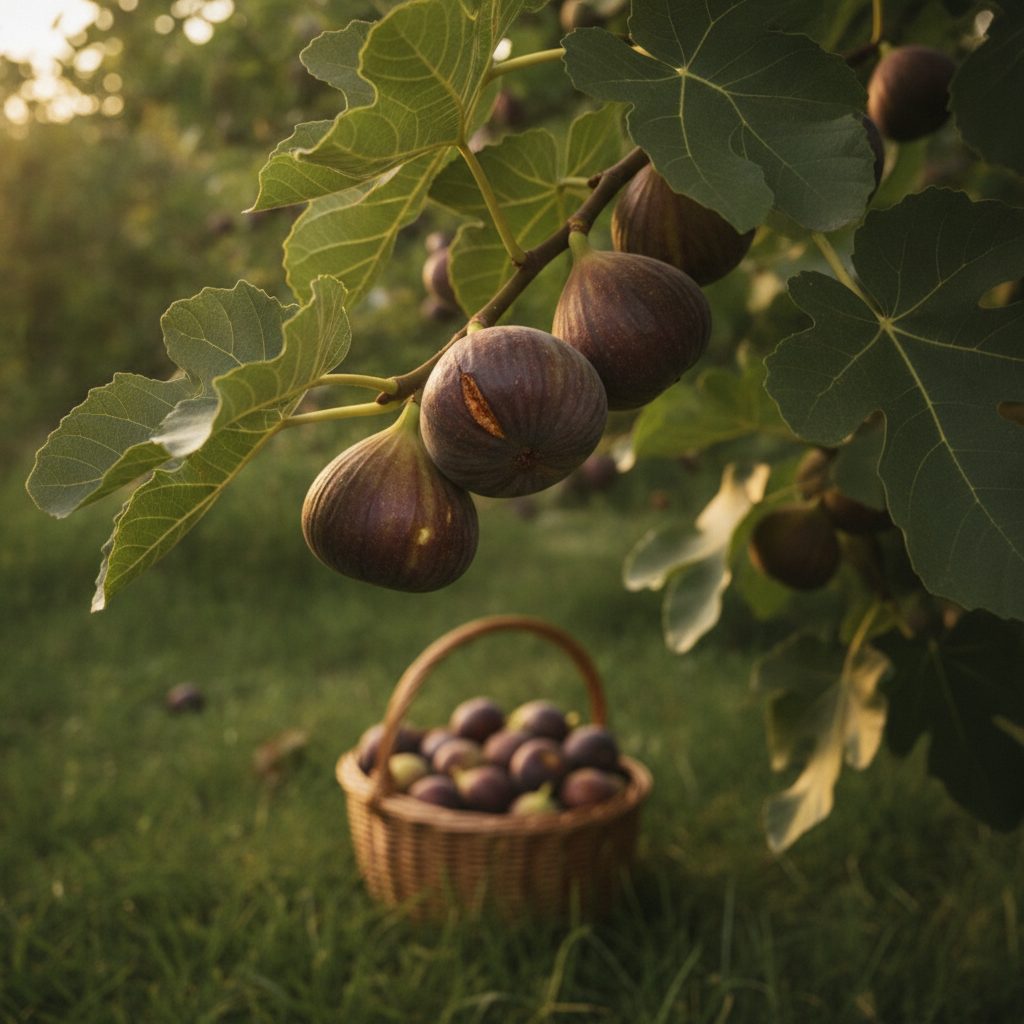
Brown Turkeys turn a beautiful rusty bronze or deep purple-brown when they are ripe. They also get soft and start to droop on the stem. This “droop” is the universal signal for “I am delicious,” and squirrels are experts at reading that body language. Because the Brown Turkey is often a heavy bearer, the scent of ripening sugar is intense. You aren’t just fighting one squirrel; you’re fighting the olfactory beacon you’ve planted in your yard.
Why Squirrels Are the Ultimate Fig Villains
Squirrels aren’t just hungry; they’re bored and highly athletic. They don’t just take one fig and leave. They have this infuriating habit of taking a single bite out of ten different figs, deciding none of them are quite “five-star” enough, and leaving the remains to rot on the branch or the ground. It’s horticultural vandalism, plain and simple.
They are also incredibly observant. They watch you. They know when you’re checking the ripeness. They know that if you’re looking at a fig with longing in your eyes, it’ll be ready for them by dawn. To beat them, you have to be more proactive than they are persistent—which, admittedly, is a high bar to clear.
Physical Barriers: The “No Fly” Zone
The most effective way to protect your Brown Turkey figs is to make them physically impossible to reach. This is easier said than done when your opponent can walk on power lines, but it’s not impossible. Depending on the size of your tree, you have a few options that actually work.
Organza Bags: The Individual Protection Plan
If you have a young Brown Turkey or a manageable amount of fruit, organza bags are a game changer. These are the little mesh drawstring bags people use for wedding favors. You slip them over the individual figs and pull the drawstring tight around the branch. Squirrels generally don’t like the texture of the mesh, and more importantly, they can’t see the ripening color as clearly. It’s like putting your figs in a little witness protection program. It takes some time to bag fifty figs, but the satisfaction of seeing a squirrel stare confusedly at a bagged fruit is worth every second.
Bird Netting and Cages
For larger trees, you might need to go big. Bird netting is the classic choice, but be warned: squirrels are basically furry buzzsaws. They can chew through thin plastic netting if they’re motivated enough. If you use netting, don’t just drape it over the tree like a loose blanket; the squirrels will just push the netting against the fruit and eat right through the holes. You need to create a frame—using PVC pipe or bamboo stakes—to keep the netting several inches away from the branches. Think of it as a fig tent rather than a fig sweater.
Motion-Activated Deterrents
Squirrels hate surprises. Motion-activated sprinklers are a hilarious and effective way to guard your trees. When the squirrel enters the “splash zone,” they get a quick blast of water. It doesn’t hurt them, but it ruins their day and sends them running. It also provides excellent entertainment for you if you happen to be watching from the kitchen window. Just remember to turn it off before you go out to prune, or you’ll be the one getting the surprise.
Pruning for Defense: Making Life Difficult for Rodents
How you prune your Brown Turkey can actually help or hinder your pest control efforts. Squirrels love a “highway” system. If your fig tree is touching a fence, a house roof, or another tree, you’ve provided a VIP entrance for every squirrel in the neighborhood.
- Clear the Perimeter: Prune your Brown Turkey so that there is at least a three-to-five-foot gap between the outer branches and any other structures. Squirrels are good jumpers, but they prefer an easy commute.
- The “Lollipop” Shape: If your tree is grown as a single standard (one main trunk), you can prune the lower branches so they are at least three feet off the ground. This makes it harder for them to hop up from the grass.
- Baffles: On a single-trunk tree, you can install a metal squirrel baffle (the kind used for bird feeders) to stop them from climbing up the main stem. It makes your tree look like it’s wearing a very large, shiny skirt, but it works.
The “Distraction” Method: The Peace Offering
Some gardeners swear by the “if you can’t beat ’em, feed ’em” philosophy. The idea is to provide an easier, more attractive food source far away from your Brown Turkey figs. A pile of dried corn or sunflower seeds at the opposite end of the yard can sometimes keep the local squirrel population occupied enough to ignore your fruit.
However, this is a risky game. You might just end up attracting more squirrels to the neighborhood, and once they finish their appetizers at the corn station, they might decide your figs are the perfect dessert. Use this method with caution. I personally prefer the “fortress” approach, but every yard is its own ecosystem.
Harvesting Strategies: Be Early, Be Quick
When it comes to Brown Turkeys, the early bird gets the fig—but the early gardener gets the whole crop. Squirrels usually wait until the fruit is at peak sugar content. You can often “short-circuit” their plan by harvesting your figs just a day or two before they are perfectly soft. While figs don’t continue to ripen significantly in terms of sugar production once picked, a Brown Turkey that is 95% ripe is still delicious and far better than a 100% ripe fig that is currently inside a squirrel.
Check your tree every morning. Squirrels are most active at dawn. If you get out there with your basket while they’re still hitting the snooze button, you stand a much better chance of winning the race. Look for the “neck” of the fig to start softening; that’s your cue to move.
Common Mistakes to Avoid
I have made every mistake in the book so you don’t have to. Here are the things that sound like good ideas but usually fail:
- Fake Owls: These work for about forty-five minutes. Once the squirrels realize the owl hasn’t moved or blinked in three days, they will literally sit on its head while eating your figs.
- Ultra-Sonic Devices: Most of these are more effective at draining your wallet than scaring away rodents. Save your money for more plants.
- Scent Repellents: Peppermint oil or predator urine can work temporarily, but they wash away with the first rain or heavy dew. Unless you want to spend your life reapplying scents, stick to physical barriers.
- Leaving Fallen Fruit: If a fig falls, pick it up. Fermenting fruit on the ground is basically a neon “Free Food” sign for every pest in the county. Keep your orchard floor clean.
The Root of the Matter: Why Healthy Trees Fight Better
A stressed tree is a target. If your Brown Turkey is struggling with water or nutrients, it might drop fruit prematurely or have thinner skins that are easier for pests to penetrate. Healthy roots lead to healthy fruit, and healthy fruit is easier to protect. Make sure your tree is well-mulched to retain moisture and that you aren’t over-fertilizing with nitrogen, which can lead to excessive leafy growth that gives squirrels even more places to hide while they feast.
If you’re growing in containers, you have the ultimate defensive advantage: mobility. You can move your pots to a screened-in porch or a more protected area as the fruit begins to ripen. Container-grown Brown Turkeys are just as productive as those in the ground, provided you keep their “feet” happy and don’t let the pots turn into a backyard swamp. Fig roots want a drink, but they don’t need swimming lessons.
Conclusion: The Path to Fig Victory
Protecting your Brown Turkey figs from gluttonous squirrels is less about a single “magic bullet” and more about a layered defense. Use organza bags for the prize fruits, prune to remove “squirrel highways,” and consider motion-activated deterrents if things get serious. Remember, gardening is a journey, and every nibbled fig is just a lesson in how to do better next year. Don’t let a few furry thieves discourage you from growing one of the most rewarding fruits on the planet.
The Brown Turkey is a resilient, generous variety that wants to give you a massive harvest. With a little bit of planning and a healthy dose of “not on my watch” attitude, you can ensure those jammy, sweet rewards end up in your kitchen instead of in a squirrel’s winter stash. You’ve done the work of planting, watering, and waiting—now it’s time to defend your territory.
If you’re looking to expand your orchard or need the right tools to start your next propagation project, we’ve got exactly what you need to keep your garden growing and your squirrels guessing. From high-quality cuttings to the gear that makes gardening a breeze, it’s time to take your backyard game to the next level.