

The Best Fig Varieties for Beginners
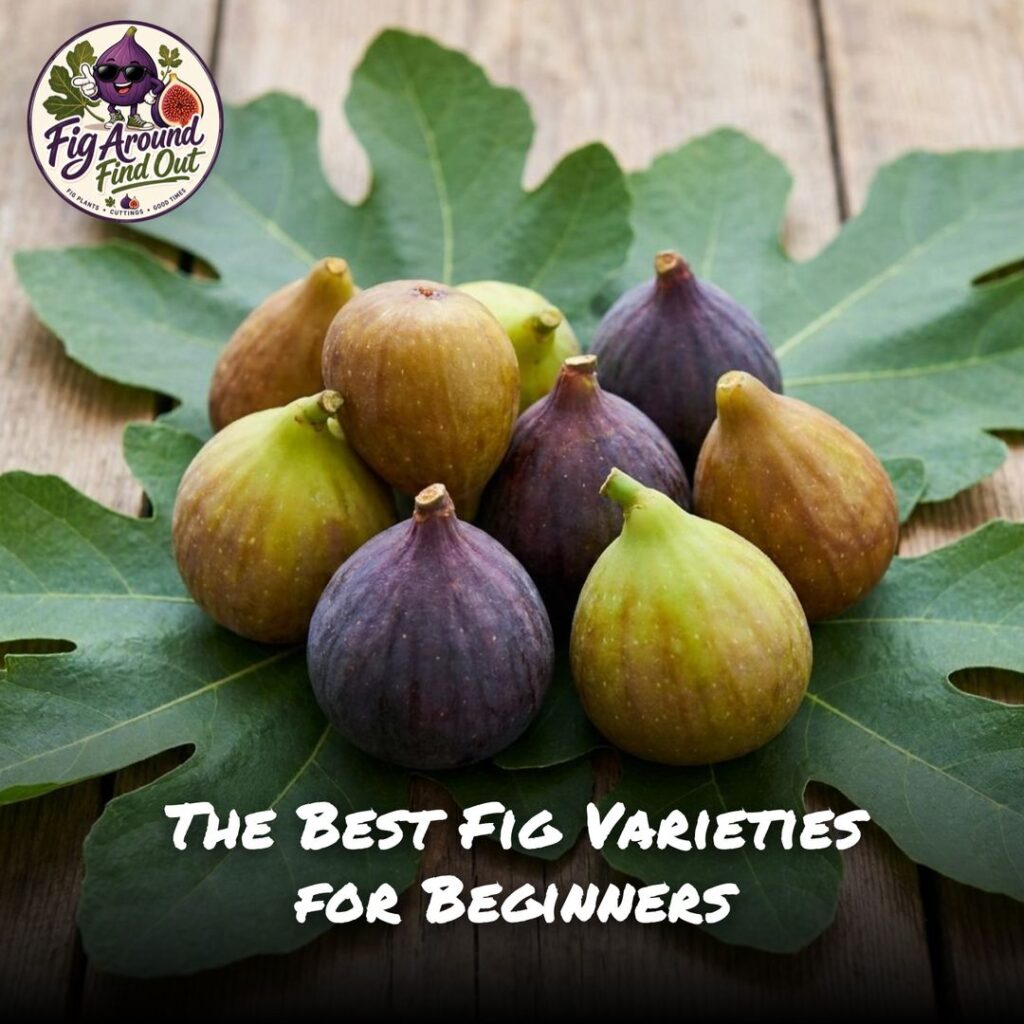
The Best Fig Varieties for Beginners
You know, figs aren’t just delicious and all that, but they’re also super easy to grow, even if you’re the kind of person who accidentally turns cactus into a wilted salad. Lucky for you, I’m here to spill the beans—uh, figs—on the best fig varieties you can start with. Let’s make your backyard the envy of your local squirrel community.
Get ready, my friend, because a world of fig trees awaits you! Before you know it, you’ll be the proud owner of a mini orchard that doubles as both a snack station and a conversation starter. Plus, figs don’t judge, even if you’re still mourning that one basil plant you forgot to water.
Why Figs Are Perfect for Beginners
First off, figs are stubbornly resilient. They thrive where other plants give up and call it quits. They’re basically the Rocky Balboa of the fruit world. Here are a few reasons why figs are awesome for beginners:
- Low maintenance: They’re perfectly happy with a bit of sun, well-drained soil, and the occasional chat about the weather.
- Pest resistant: Figs have natural defenses. No one likes uninvited guests, right?
- Fast growing: In no time, you’ll have figs, figs, and more figs. So many figs, you might wonder if you’ve accidentally entered a fig-growing competition.
So, not only are they tough, but they’ll quickly reward you with sweet, juicy fruit. I mean, who doesn’t love a good figgy reward?
The Top Beginner Fig Varieties
Choosing the right fig variety is like choosing the right celebrity chef to cater your backyard barbecue. Everyone’s got their preferences, but these fig varieties are about as close to foolproof as it gets. Why not start with the best in the biz?
1. Brown Turkey Fig
If figs were rock bands, the Brown Turkey would be the biggest crowd-pleaser. It’s reliable, adaptable, and easygoing—a real team player. Here’s what you need to know:
- Appearance: Deep brown skin with a pink, strawberry-like interior.
- Taste: Mildly sweet, making it perfect for those who prefer a subtle punch from their fruit.
- Growth habits: Grows well in varied climates and is frost tolerant. It’s pretty much the Superman of the fig world.
Brown Turkey Figs are a no-brainer for a first purchase. You can’t go wrong, and trust me, you’ll soon crave more.
2. Celeste Fig
Also known as Sugar Fig, this variety is sweet as can be, just like your grandma’s apple pie. It’s a top performer with a sugar rush. Here’s a bit more on why Celeste should be on your list:
- Appearance: Small in size, boasting brown to purple skin.
- Taste: Warning—a tsunami of sweet flavor lies beneath that humble exterior.
- Growth habits: This champ can thrive in heat and humidity. Perfect for those sticky summer afternoons.
The Celeste Fig is practically an invitation to a never-ending summer of figgy treats. They’re your new sweet tooth hero.
3. Chicago Hardy Fig
If you’ve ever doubted a fig could survive a chilly winter, meet the Chicago Hardy. Yes, it’s as tough as its name suggests, bringing tough-guy personality to your fig story. Check this out:
- Appearance: Light brown to purplish skin that looks rugged enough to brave a snowstorm.
- Taste: Truly delicious with a rich, sweet taste reminiscent of fellow fig legends.
- Growth habits: Cold tolerant—yes, even when the mercury takes a dive. Branches can die back in the cold but will return stronger.
Buy a Chicago Hardy, and your fig escapades will continue, blizzard or heatwave. They are winter warriors, after all!
How to Choose Your First Fig Tree
Like a kid in a candy store, it’s tempting to fill your cart. But sometimes you just need a little strategy snuck in with the chaos. So, how do you decide?
- Climate: Match the fig to your climate. Chicago Hardy if Jack Frost visits, or Celeste if things get a bit steamy.
- Space: Ensure you’ve got room to let it grow. Figs like stretching room, kind of like my collection of pruners.
- Taste: Are you a flavor fanatic, or do you lean towards easy care? Take your pick, or leave it to fate—both delicious choices.
Trust me on this one—picking your first fig is addictive, and soon, you’ll need a fig orchard expansion plan.
Making Friends with Your Fig Tree
Once you’ve invited your new fig tree home, it’s time to become best pals. I mean, you did just bring future snack sessions into your life. Here’s the game plan:
- Sunshine: Figs love soaking up the sun, so let them bask for at least six hours. It’s the fig version of a tanning salon.
- Watering: Just enough—not a drop more. Figs are sophisticated like that; they’re not into pooling liquids.
- Pruning: Time to channel your inner Edward Scissorhands. Keeps them tidy and encourages new growth.
Figs might be the new tangerine in the fruit bowl—intriguing, only better. They love attention but won’t throw a diva fit if you forget them now and then. They’re the ultimate garden low-key celebrities.
Embrace the Fig Adventure
Congratulations, brave fig explorer! You now know the ABCs (or Brown Turkey, Celeste, and Chicago Hardy) of fig varieties for beginners. Remember, every fig is a story waiting to be told. One day, you’ll be trading fig secrets with the best of them, whether you’re teaming up with the Brown Turkey in a thriller, or joining Celeste in a sweet adventure.
Figs bring people together and turn ‘I kind of killed that plant’ moments into ‘I can’t believe I grew this!’ triumphs. You’re on a path to garden stardom, sounding unintentionally posh as you casually throw out fig facts at parties. Here’s to rooting for, expanding, and, quite possibly, eating your way through every variety of fig tree the world has to offer.
So grab those pruning shears, dive into your fig adventure, and remember—with figs, root happens, and you’re about to propagate greatness.
Shop Our Best Sellers
-

Rooting Hard or Hardly Rooting
$49.00 Select options This product has multiple variants. The options may be chosen on the product page -
Nice Figs
$49.00 Select options This product has multiple variants. The options may be chosen on the product page -
Show Me Your Cuttings
$49.00 Select options This product has multiple variants. The options may be chosen on the product page -
I Like Big Figs
$49.00 Select options This product has multiple variants. The options may be chosen on the product page -
Brown Turkey Fig Cutting
$10.00 Add to cart