

Yellow Fig Leaves: Drama or Disaster?
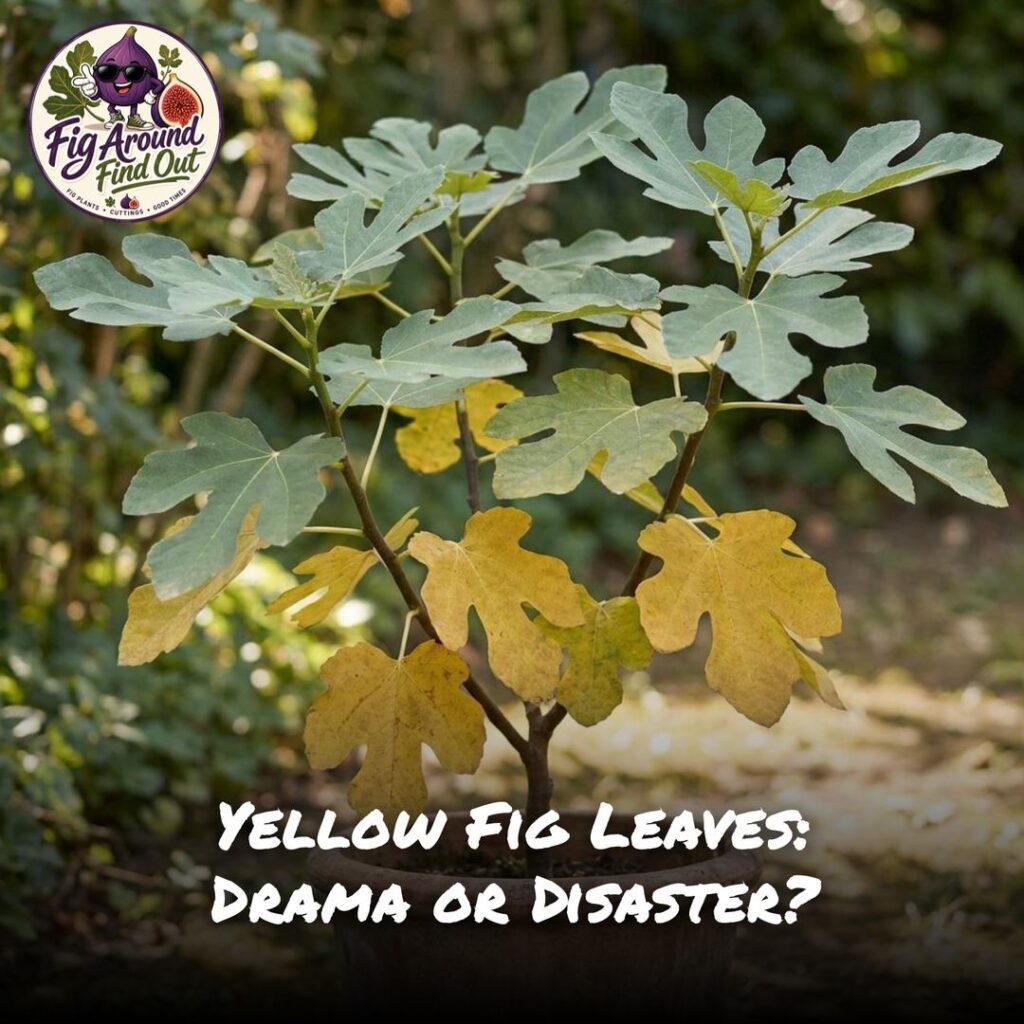
Yellow Fig Leaves: Drama or Disaster?
You might be chilling out in your backyard, admiring your fig tree, when suddenly you notice something out of a gardening horror movie: yellow leaves! Don’t panic. Even if it seems like your fig tree wants to become a trendy autumn decoration, I, Figgy Smalls, have got the scoop on whether yellow leaves are a sign of drama or disaster.
It’s no secret that I’m all for making some bold financial decisions when it comes to growing figs. Listen, figs aren’t just a passion; they’re life. And knowing how to keep them lush and green is like unlocking the secrets of the universe. Let’s dive into this mystery together!
Why Are Fig Leaves Turning Yellow?
First things first, not every yellow leaf is a harbinger of doom. Fig leaves might turn yellow because they’re just having a moment of drama. Let’s list some reasons:
- Seasonal Changes: As trees prepare for dormancy, they may change color.
- Water Woes: Underwatering or overwatering makes leaves protest.
- Sunlight Issues: Too much shade can lead to pale, yellow leaves.
- Nutrient Deficiency: Just like we need vitamins, so do fig trees.
- Compacted Soil: Imagine trying to grow with a rock on your head.
Most of these problems aren’t catastrophic. But don’t just stick a “Drama Queen” sign on your tree and walk away. Let’s figure out how to get that royal fig looking snazzy again!
Understanding Seasonal Changes
Leaves changing color with the seasons can be completely normal. Fig trees may start their fall fashion show as dormancy sets in. It’s not drama, it’s just nature’s way of conserving energy.
If you notice yellow leaves at the end of the growing season, do a happy dance because your tree is likely just getting ready for a well-deserved nap. Cheers to lazy days!
Always pay attention to the time of year when leaves change colors. It’s not always Mother Nature being nice but sometimes it’s part of the natural flow of life.
Water Woes: Too Little, Too Much
Underwatering
Okay, we get it. You thought your fig was part camel and could survive heat without some liquid love. Totally normal mistake! But all plants, including figs, need a consistent drink to stay hydrated, especially during hot weather.
Overwatering
On the flip side, thinking “more water, more life,” could turn your garden into an unintended swamp. Remember, your fig tree isn’t auditioning to be a character in a swamp movie!
Strike the balance. When watering:
- Check the soil 1-2 inches deep.
- Water only when it feels dry.
- Avoid leaving the roots soggy.
Trust me: your fig tree will appreciate you not trying to make it swim.
Sunlight: Your Tree’s Natural Spotlight
Fig trees want their spot in the sun: they’re the divas who need six to eight hours of basking daily. Too much shade and they become more sulky than a cloudy day.
Find a sunny spot and make sure your tree is getting its daily dose of vitamin D. If you’re planting in a pot, move it to the sunniest location you have. Portable sunshine, anyone?
Nutrient Deficiency: Figs Need Their Food, Too!
If your fig leaves start looking like they’ve missed their morning smoothie, we might be looking at a nutrient problem. Common deficiencies include nitrogen, potassium, and iron.
Here’s how to fix it:
- Use a balanced fertilizer designed for fruit trees.
- Add organic matter to improve soil nutrition.
- Watch your tree look healthier and happier!
Oh, and don’t over-fertilize—your fig isn’t going for the world record in rapid growth. Slow and steady wins the fruity race.
Tackling Compacted Soil
If your fig tree is looking stressed, and the soil is hard enough to rival concrete, it’s time for some gardening magic. Compact soil limits root growth and makes trees unhappy.
Consider aerating the soil to give those roots space to stretch out, like yoga for trees. Gently poke the soil around your fig to improve air and waterflow. You’ll want loose soil that’s like a cozy blanket hugging the roots.
When to Worry
Okay, let’s get serious for a second. If leaves are falling off in quick succession, or your tree looks more bare than a desert island, we might have a bigger issue.
Rapid yellowing, especially if combined with wilting, could be the sign of pests or disease. Call in the gardening experts or take a sample to your local nursery (because we need reinforcements sometimes).
Remember, Figgy Smalls’ rule: if you’re ever unsure, it’s always a good day to learn more about your figs. You’ve got this!
Healthy Tree, Happy Life
Listen, my green-thumbed adventurer, you’ve got everything it takes to master the art of fig tree maintenance. Yellow leaves might make you panic like me in a supermarket with discounts on rare fig varieties, but they’re usually just minor hiccups.
Keep experimenting, embrace the chaos of gardening, and don’t shy away from making bold choices (like buying another tree—it might be my chaotic good influence). Fig trees are forgiving, and you’ll learn with each leaf what it takes to keep them thriving.
As the self-appointed King of Backyard Figs, I say: Let’s make some questionable horticultural choices together. After all, gardening isn’t just about growing plants—it’s about growing confidence.
Trust me, your fig tree’s just having a dramatic moment. You, my friend, will get them back on track. Drama or disaster? Nope. Just a garden party problem we’ve solved together.
Shop Our Best Sellers
-

Rooting Hard or Hardly Rooting
$49.00 Select options This product has multiple variants. The options may be chosen on the product page -
Nice Figs
$49.00 Select options This product has multiple variants. The options may be chosen on the product page -
Show Me Your Cuttings
$49.00 Select options This product has multiple variants. The options may be chosen on the product page -
I Like Big Figs
$49.00 Select options This product has multiple variants. The options may be chosen on the product page -
Brown Turkey Fig Cutting
$10.00 Add to cart