


Black Mission Figs Explained
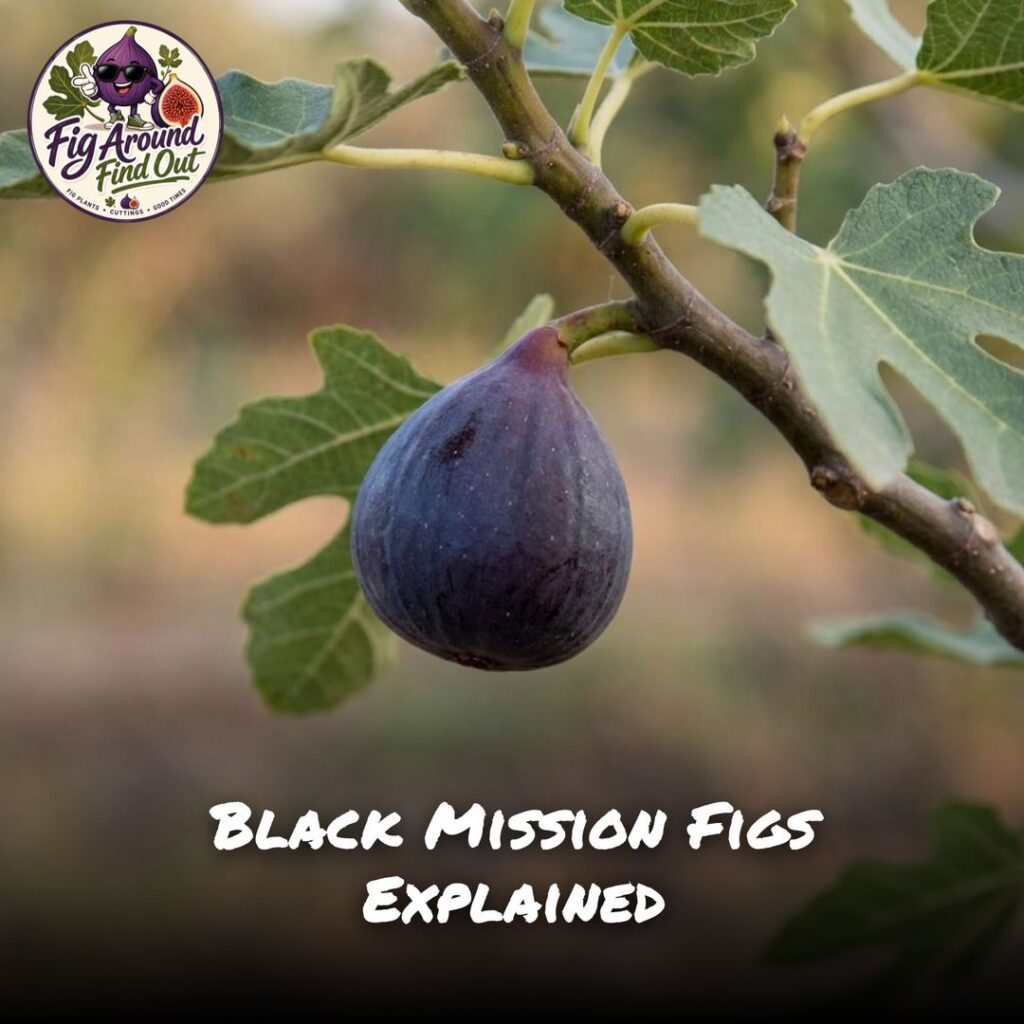
Black Mission Figs Explained
Alright, fig enthusiasts and accidental gardeners, gather ‘round because today we are diving deep into the delicious world of Black Mission figs. Trust me, it’s a mission you’ll actually want to accept. No top-secret spy gear needed, just a little fig knowledge and a planting spot!
You might be wondering, why Black Mission? Well, because they’re basically the rock stars of the fig world—dark, mysterious, and always the life of the garden party.
Why Black Mission Figs are Famous
These figs first popped up in California thanks to some intrepid Spanish missionaries. Imagine them wandering around like gardening trailblazers, saying, “We come in peace…and with figs!”
Black Mission figs are tantalizing right off the tree. They’re known for:
- Their beautiful deep-purple skin—it’s like they’re dressed for a fancy fruit gala.
- Sweet, jammy insides that make you wish every meal involved figs.
- A flavor described as rich and slightly honeyed, making it hard to stop once you start eating them (or so I’ve heard…)
In short, these figs don’t just look good—they pack a flavor punch too. It’s their edible way of saying, “Have some more!”
Getting to Know Your Black Mission Fig
Famous Attributes
The Black Mission fig isn’t just a pretty face in the orchard. It’s loaded with nutritional goodness. You get fiber, vitamins, and a boost of antioxidants. So technically, eating them is like indulging in healthy candy.
But wait, there’s more! These figs are self-pollinating. That’s right, no need for cross-pollination drama. It’s just one tree, taking care of business all on its lonesome, making every gardener’s life that much easier.
Growth Habits
- Size: These trees can grow up to 30 feet tall, which means they could totally block your neighbor’s view of your backyard pool party. And that’s okay.
- Harvest Time: Black Mission figs were so considerate that they decided to bear fruit twice a year. You get a “breba” crop in late spring and the main feast in late summer!
- Climate: They do best in warm climates, so if you’re in a cooler area, a greenhouse or indoor fig operation might be your calling. Imagine them as the tropical vacationers of the fig family.
So, whether you’re living in the sunny states or in chillier climates, Black Mission figs are still within reach. The trick is just learning the ropes—or in this case, the roots.
How to Grow Black Mission Figs
You’re probably thinking, “Okay, Figgy, how do I actually do this?” I’ve got you covered, friend. Growing these figgy wonders is simpler than ordering pizza online—without the wait time and extra cheese.
Site Selection
First things first, find your fig’s future home. Black Missions love sunshine like I love terrible puns, so choose a spot that gets at least 6-8 hours of full sun each day. And make sure the soil drains well, because our figs are more into tanning than swimming.
Planting Tips
Once you’ve picked a sunny location, it’s go time:
- Dig a hole as deep as the root ball and twice as wide. Think of it as giving them a cozy space to stretch out their roots.
- Mix in some compost or well-rotted manure with your native soil to give these figs a stellar start.
- Backfill without packing down too hard. We want the soil to feel like the nicest, fluffiest pillow they’ve ever nestled in.
Taking Care of Business (aka Maintenance)
Now that they’re comfortably planted, it’s time for some TLC:
- Watering: Black Mission figs like a drink but, as I often say, “no swimming lessons.” Water them deeply and infrequently to encourage deep root growth.
- Fertilizing: Feed your fig family a balanced fertilizer in the growing season. Just like us, they love a good meal more than once a year.
- Pruning: Keep those branches in shape with a yearly prune in winter. This isn’t just tree therapy—it’s a chance to sculpt a fig-tastic masterpiece.
Caring for the Unexpected
Gardening isn’t without its surprises! But even if things get thorny, Black Mission figs are generally low-maintenance and resilient. But here are some common hiccups:
Pests
A few pests might drop by, like the fig beetle. A casual way of saying, “Hey, buddy, mind chewing elsewhere?” is to use organic sprays or encourage predators—birds are your pals.
Diseases
If you happen across rust or a similar fungal issue, just prune it out and increase airflow. It’s like the tree taking extra deep breaths. We’ve all been there.
A Fig for the Ages
There you have it: everything you need to become a Black Mission fig expert—or at least fool everyone into thinking so! Like I always say, “Root happens,” so don’t stress the small stuff.
Grab a shovel, a cutting, and try your hand at growing these delightful figs. You’ll end up with snacks to share—or not—and a tree you can be wildly proud of.
So plant around and find out—the fig world is waiting for you!
Shop Our Best Sellers
-

Rooting Hard or Hardly Rooting
$49.00 Select options This product has multiple variants. The options may be chosen on the product page -
Nice Figs
$49.00 Select options This product has multiple variants. The options may be chosen on the product page -
Show Me Your Cuttings
$49.00 Select options This product has multiple variants. The options may be chosen on the product page -
I Like Big Figs
$49.00 Select options This product has multiple variants. The options may be chosen on the product page -
Brown Turkey Fig Cutting
$10.00 Add to cart